


A carry-on may feel easy to handle when it is empty, but that can change once it is packed. Unstable wheels make it harder to steer, a loose handle becomes frustrating, and a heavy case can be difficult to lift into the overhead bin.
Understanding the following key carry-on features can help you avoid these problems and make your trip more comfortable.
Carry-On Luggage Features That Matter Most
With so many carry-ons to choose from, it can be hard to tell what makes one worth buying. Here is what to look for when comparing your options.
Size and Weight
Airlines limit the size of carry-on bags, and some limit their weight, too. An oversized suitcase may need to be checked. Any weight limit includes the case itself, so a heavy suitcase leaves less allowance for what you pack.
Size: For carry-on travel, 20 and 21 inches are common luggage sizes. Check the suitcase’s full dimensions, including wheels and handles, against your airline’s limit. A 24-inch case usually needs to be checked.
Weight: An empty weight of about 5–7 pounds (2.3–3.2 kg) is a useful target for a lighter case. This makes lifting easier and allows more weight for your belongings.
Wheels and Handles
Once a suitcase is packed, stiff wheels or an uncomfortable handle can make it tiring to move. Paying attention to these parts before buying can save you some effort during the trip.
Wheels: Smooth-rolling wheels make a full suitcase easier to push through the airport.
Telescoping handle: Adjustable height lets you pull the case without bending or holding your arm at an awkward angle.
Top and side handles: These give you a firm grip when lifting the bag into an overhead bin or car trunk.
Materials and Locks
Your suitcase may get squeezed against other bags in a crowded overhead bin. Different luggage material types offer different levels of protection against that pressure. Besides protecting your belongings from bumps and pressure, your suitcase also needs a lock that offers some protection against theft.
Hard shells: A rigid shell helps protect items from being crushed by nearby luggage.
Soft-sided fabric: Flexible sides have some give around bulky clothing, such as a thick sweater. They offer less protection when other bags press against them.
TSA-compatible locks: These secure the zipper pulls but allow security officers to unlock the case for inspection. That can be useful if you need to check your carry-on at the gate.
Interior Space and Organization
When packing your belongings, a suitcase with separate compartments helps you keep different items organized. This makes frequently used items easy to reach without disturbing the rest of your packing.
Main compartment: Open space lets you arrange shoes, clothing, and packing cubes to fit your needs.
Straps or compression panels: These hold clothing in place when you stand the suitcase upright.
Zippered pockets: These keep cables and small accessories together, so you don’t have to search through your clothes to find them.
Expandability
A suitcase may fit everything on the way out but feel tight after a few purchases on your trip. An expandable section adds room without requiring a second bag, though it also changes the case’s dimensions.
- When closed: The case stays at its regular size when you don’t need extra room.
- When expanded: The added depth gives you space for more clothing or purchases.
- Before flying: The expanded case may exceed your airline’s carry-on limit. You may need to close the expansion section and repack, or check the bag.
How Do You Choose the Right Carry-On Luggage?
Before comparing suitcases, check what your airline allows you to bring. Then consider what you usually pack and which features would make your trips easier. This helps you spend your budget on things you’ll actually use.
Check Airline Requirements
Before buying a suitcase, check the carry-on size limits of the airlines you fly most often. Use those limits to choose a suitcase that’s the right size for your flights. If the airlines also restrict weight, a lighter case lets you pack more without exceeding the allowance.
Consider Your Travel Habits
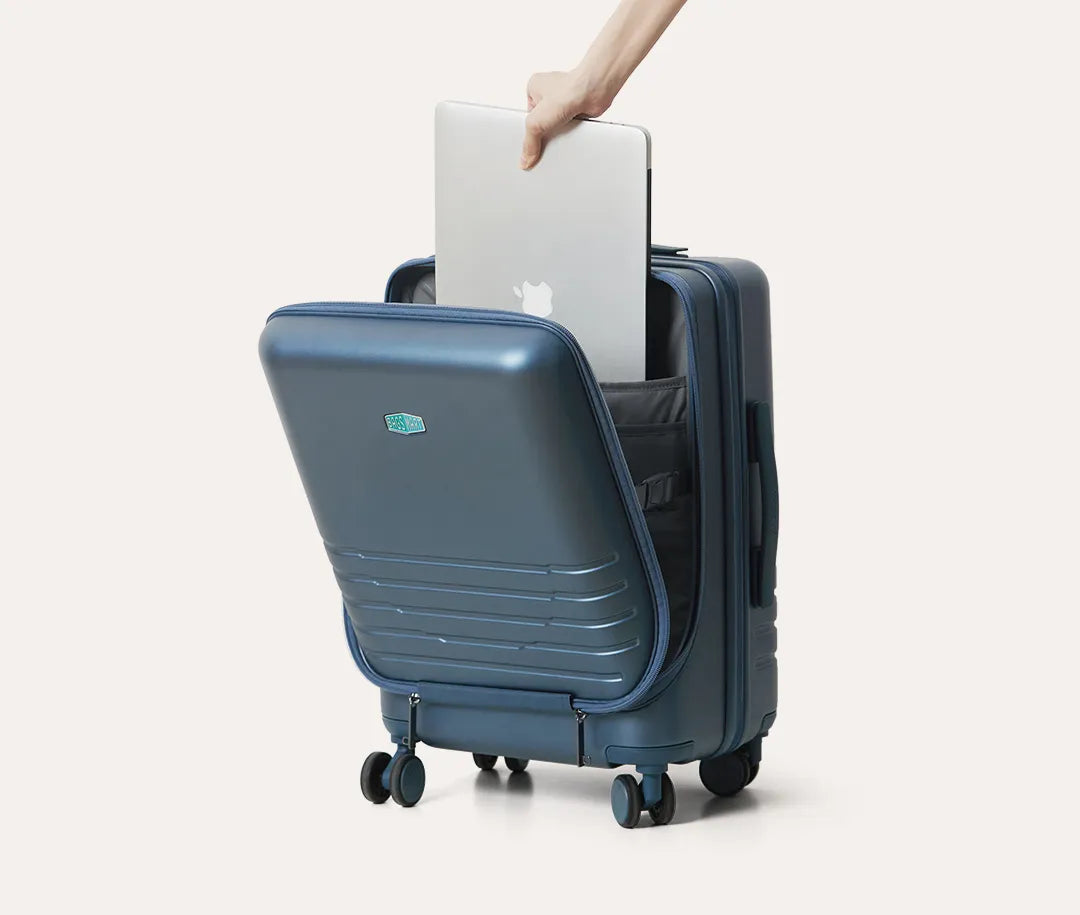
Choose a suitcase with your usual packing list in mind. If you often bring a laptop and use it while traveling, look for a compartment you can open separately from your clothes.
The Getaway 20'' Carry-on luggage: Front-Opening stores a laptop and tablet inside the front cover. You can take out either device without opening the main clothing compartment, which is convenient when you want to work while waiting for a flight.
If you mainly pack clothes and shoes for vacations, look for a main compartment with enough room for both. An open layout lets you place shoes beside folded clothing, while straps or a compression panel help keep clothes from shifting during the trip.
Balance Useful Features and Budget
With a limited budget, start with features you’ll use regularly. Smooth wheels matter if you walk long distances through airports. A compression panel helps hold clothing in place, while expansion is useful if you often bring purchases home.
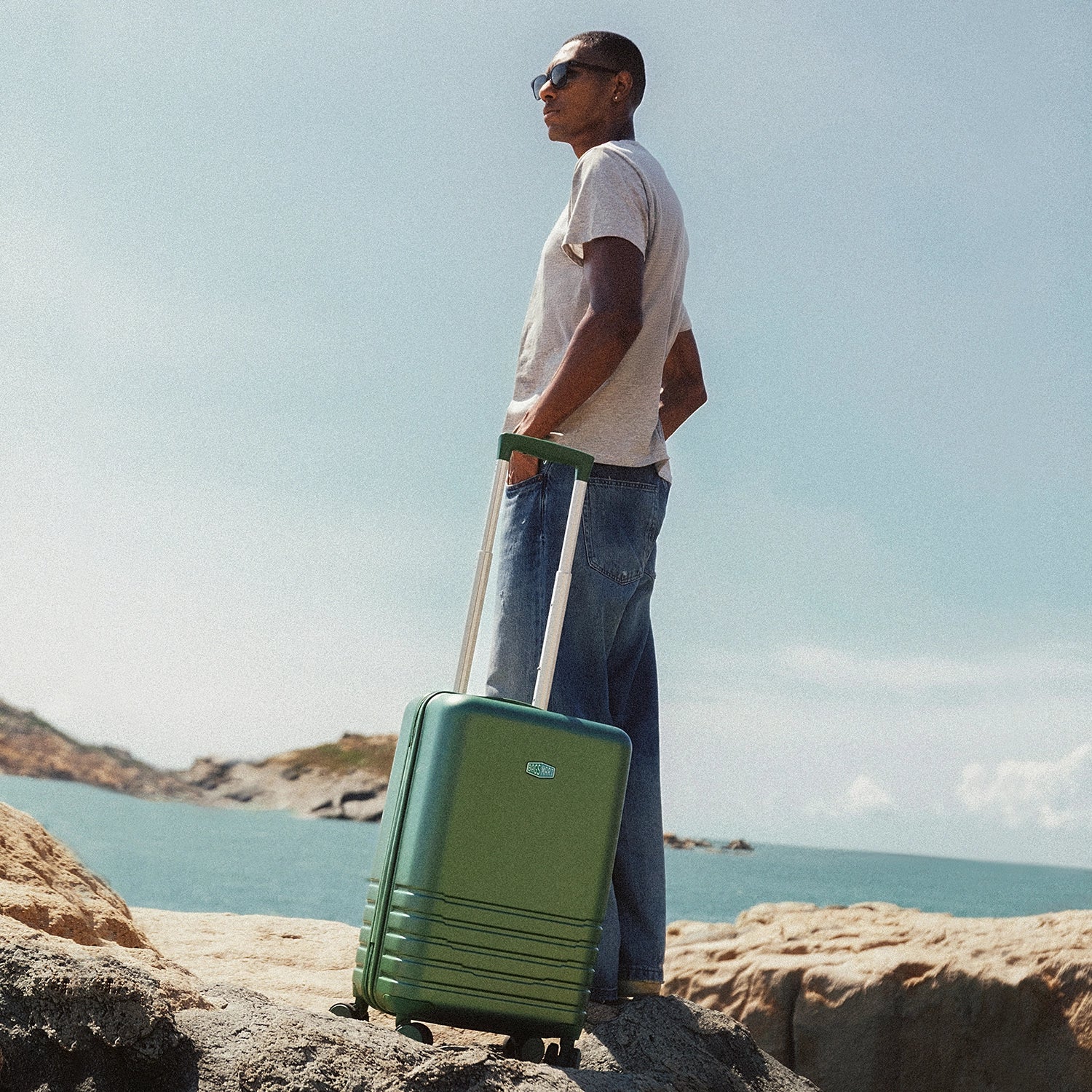
If these are features you’d use, the Getaway 20" Carry-On luggage is worth considering. Its double spinner wheels help the case roll smoothly, while a removable compression panel keeps clothing in place. The expandable section adds packing room when needed, and you can remove the panel to arrange larger items.
The comparison below shows which features may matter most for different types of travel.
|
Travel type |
Priority features |
Main trade-off |
|
Short business trips |
Front-opening device storage, smooth wheels, secure handles |
A front compartment may reduce clothing space |
|
Weekend vacations |
Lightweight construction, simple interior, compression panel |
Limited room for extra outfits or purchases |
|
Longer trips |
Expandable capacity, organized interior, durable materials |
Added capacity can lead to a heavier bag |
|
Frequent air travel |
Reliable wheels, strong handles, airline-friendly dimensions |
Better construction may cost more |
|
Trips using different airlines |
Compact size, low empty weight, minimal exterior bulk |
Less packing room than a larger carry-on |
Use the table to identify the features you need, then compare carry-on luggage within your budget.
What Tips Make Packing a Carry-On Easier?
Once you have chosen a suitcase, plan where your belongings will go before filling it. A few packing habits can make items easier to find and help you avoid overfilling the case.
Keep Essentials Within Reach
Place travel documents, chargers, and other small items needed during the journey where you can reach them easily. This might be a front compartment or the upper section of the main compartment.
Avoid burying these quick-access items beneath clothing. Searching through your suitcase at the gate disrupts your packing and slows you down.
Keep valuables close, and place liquids where they are easy to remove if airport screening requires it. Deciding where these go before packing the rest of the bag prevents last-minute rearranging.
Use Packing Cubes Selectively
When packing with packing cubes, start with items that tend to get scattered, such as socks and underwear. Keep these together in one cube. If you also want to separate T-shirts or workout clothes from the rest of your clothing, use a second cube. There’s no need to fit every item into one—bulky sweaters and jackets are often easier to arrange directly in the suitcase.
Recheck Size After Expanding
Measure the suitcase after expanding and packing it. Include the wheels, handles, and any bulging pockets. If it exceeds the airline’s limit, reduce the load before leaving or check your options for checked baggage.
Weigh the packed suitcase as well. Check it against any weight limit, and make sure you can lift it without too much effort, so it does not become a burden during your trip.
Conclusion
A good carry-on should fit your airline’s limits, protect your belongings, and remain easy to move when packed. Prioritize smooth wheels, comfortable handles, and an interior that suits what you bring. Before flying, recheck the packed size and weight, especially if you’ve expanded the case.
Your packing habits can then guide your choice. The Getaway 20'' Carry-on: Front-Opening provides separate access to your laptop and tablet. If you mainly pack clothing, the Getaway 20" Carry-On offers a removable compression panel to hold it in place, plus expansion for extra items.
FAQ
What is the best affordable suitcase brand?
BAGSMART is worth considering if you want practical features at an affordable price. Its Getaway 20" Carry-On includes double spinner wheels, a removable compression panel, and an expandable section. These features suit travelers who want organized packing and extra room without paying for a luxury suitcase.
What is the best luggage in 2026?
For 2026, consider The Getaway 20'' Carry-on: Front-Opening. Its front cover has dedicated laptop and tablet storage, so you can reach your devices without opening the main clothing compartment. This keeps electronics separate from clothes and makes them easier to access during your trip.
What are the dos and don’ts for carry-on luggage?
Do check your airline’s allowance, measure the packed suitcase, and keep essentials easy to reach. Don’t overfill exterior pockets or expand the case without checking its final dimensions.
Is it better to get a hard or soft suitcase?
Choose hard-sided luggage if you want a firm shell that helps protect packed items from pressure. Choose soft-sided luggage if you prefer a more flexible bag with exterior pockets. The better option depends on what you pack and how you use it.
What should I avoid when buying luggage?
Avoid a suitcase that is already close to the airline’s size or weight limit when empty. Weak handles, unstable wheels, poor-quality zippers, and awkward compartments are also warning signs. Do not pay extra for features that add weight but do not help with your usual trips.


